 Interiors
Inspiring homes since 1825
Interiors
Inspiring homes since 1825
Interiors
Inspiring homes since 1825
Interiors
Inspiring homes since 1825
 Karley Robbins
Marketing Manager
Karley Robbins
Marketing Manager
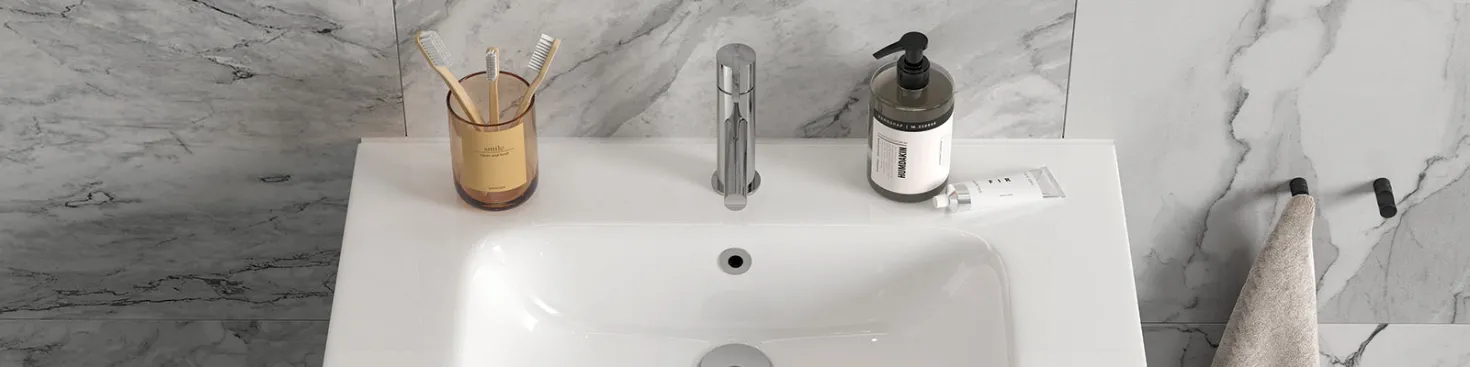
Bathroom renovations can be both exciting and challenging. One of the most common hurdles homeowners face is making the most of limited space. Whether you’re working with a compact en-suite, a small family bathroom or a narrow cloakroom, clever design choices can make a huge difference to both functionality and appearance.
Below, we explore some practical and design-led ways to maximise space and create a bathroom that feels comfortable, stylish and easy to use.
Successful space-saving begins with thoughtful planning. Assess your existing bathroom layout and identify what currently isn’t working. Are there awkward gaps, oversized fittings or storage issues?
Reconfiguring the position of fixtures, adjusting layouts and planning storage early on can unlock valuable space. Accurate measurements are crucial at this stage, as even small miscalculations can have a big impact in compact bathrooms.
Opting for space-saving fixtures can instantly make a bathroom feel more open. Wall-mounted toilets and basins free up floor space, creating a lighter and more streamlined look. Compact or corner basins are also ideal for smaller rooms where every centimetre matters.
Slimline furniture and reduced-depth vanity units can provide essential storage without overwhelming the room.
If space is limited and you’re deciding between a bath or a shower, a combined bath-shower option may be the best solution. These units offer flexibility without needing separate fixtures.
Alternatively, a walk-in shower with a frameless glass enclosure can significantly improve the sense of space. Minimal framing and clear glass allow light to flow freely, helping the room feel larger and less enclosed.
You may also like our blog: Is Bath Time Over?
When floor space is at a premium, vertical storage becomes invaluable. Wall-mounted cabinets, open shelving or tall storage units can provide ample room for towels, toiletries and everyday essentials without encroaching on the floor.
Areas above toilets and basins are often underused and can be transformed into practical storage zones.
Light colour palettes help reflect natural and artificial light, making a bathroom feel more spacious and airy. Whites, soft greys, creams and pale pastels work particularly well on walls, tiles and shower panels.
That said, light doesn’t have to mean bland - texture, pattern and subtle contrasts can still add depth and interest without closing in the space.
Mirrors are one of the most effective ways to visually expand a bathroom. A large mirror above the basin can reflect light and give the illusion of added depth.
Many modern mirrors now offer built-in lighting, storage, demisters and even Bluetooth connectivity, combining practicality with style while reducing the need for additional fixtures.
Traditional hinged doors can take up valuable floor space when opened. Pocket doors, which slide neatly into the wall, are an excellent alternative for smaller bathrooms and en-suites, allowing for better layout flexibility.
Recessed niches and shelving built into walls are perfect for keeping toiletries and accessories close at hand without cluttering the room. These work particularly well in shower areas and above baths, offering practical storage while maintaining clean lines.
Clutter can make any bathroom feel smaller. A minimalist approach with clean lines, hidden storage and clear worktops helps create a calm, open environment. Store everyday essentials neatly and keep decorative items to a minimum for a more spacious feel.
Maximising space in a bathroom renovation comes down to smart planning, thoughtful design and well-chosen fixtures. With the right approach, even the smallest bathroom can be transformed into a practical, stylish and relaxing space.
If you’d like expert advice on how to make the most of your bathroom layout, experienced designers can help you explore solutions tailored to your home and lifestyle.
Want some expert advice on maximising space in your bathroom renovation?
Designing a bathroom that supports accessibility or limited mobility is about far more than meeting physical requirements. A well-planned accessibl...
Gardiner and Sons Co Ltd registered address Gardiner Haskins, 1 Straight Street, Broad Plain, Bristol, BS2 0FQ, registered in England.
Company registration number: 00039402 VAT no. GB302974367